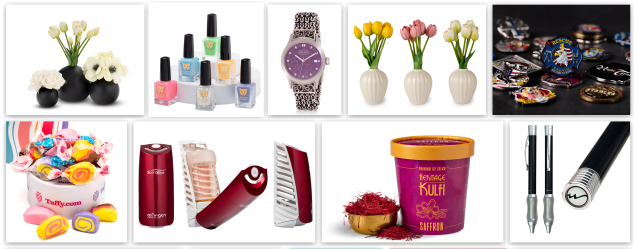
Why choose a professional photographer?

Boost Your Sales: The Impact of Professional Commercial Product Photograph

You’ve built a solid product. The quality is there, the pricing is competitive, and you’ve set up your online store or updated your catalog. But conversions are flat. Customers browse and leave. Wholesale buyers glance at your line sheet and move on.

More often than not, the problem isn’t the product. It’s the photography.

When customers can’t pick up your watch, smell your olive oil, or feel the weight of your challenge coin, the photograph becomes their primary way of experiencing the product. It must communicate quality, trust, and value—in a matter of seconds.

Snapping a photo with your phone just doesn’t cut it. Professional photography is about more than recording an image. It requires an understanding of lighting, angles, backgrounds, lens choice, color accuracy, consistency, and retouching. These are the skills a professional product photographer brings to the table.

So, if you want to show your products in their best light, ask a professional to do it. After all, “It’s all about the light.”

What Commercial Product Photography Actually Is

Commercial product photography is the practice of photographing products specifically for use in advertising, retail, e-commerce, and marketing materials. The goal isn’t artistic expression for its own sake. The goal is to present a product accurately and compellingly enough to move a buyer toward a purchase decision.

This distinguishes it from editorial photography, which tells a story, and from casual product shots, which simply document that a product exists.

The distinction matters: A casual photo shows what a product looks like. A commercial product photograph communicates what it’s worth.

A professional commercial product photographer controls every variable in the frame — light, shadow, angle, background, color accuracy, and styling — so that the final image reflects the product at its best, without misrepresenting it.

The Variables a Professional Controls

Understanding what separates commercial product photography from a casual shot means understanding what a professional actually manages during a shoot.

Lighting is the most consequential variable. The difference between a watch that looks like a luxury timepiece and one that looks like a catalog filler is almost entirely lighting. Hard light reveals texture and edge detail. Soft, diffused light flatters curved surfaces like cosmetic bottles or cheese rinds. Backlighting makes a glass of craft beer glow. None of this happens by accident.

Composition and angle determine what the buyer’s eye sees first. A challenge coin photographed flat shows the design. Photographed at a slight angle with the right depth of field, it communicates weight and craftsmanship. The angle is a decision, not a default.

Background and surface do more than frame the product — they set context. A hotel amenity kit photographed on white communicates cleanliness and simplicity. The same kit photographed on a textured linen surface communicates a different hospitality brand entirely. Both can be correct, depending on where the image will be used and who will see it.

Styling and propping apply most visibly in food photography, where a bowl of candy, a wedge of cheese, or a bottle of olive oil needs surrounding context to communicate flavor, freshness, and appetite appeal. But styling matters for non-food products too — the surface a pen rests on, the way a gift basket is arranged, whether a jewelry piece is displayed flat or worn.

Color accuracy is non-negotiable in commercial work. A product that arrives looking different from its photograph creates returns, complaints, and lost trust. Professional color calibration and post-processing ensure that what the customer sees online matches what arrives at their door.

The Range of Products That Benefit From Professional Imaging

Commercial product photography applies across a wider range of product categories than most business owners initially consider.

Jewelry and watches require precise control of reflections and metal tones. A poorly lit ring looks flat; a well-lit one shows dimension, sparkle, and the quality of the setting. Cosmetics depend on accurate color rendering — a lipstick that photographs as a different shade than it actually is creates immediate customer service problems.

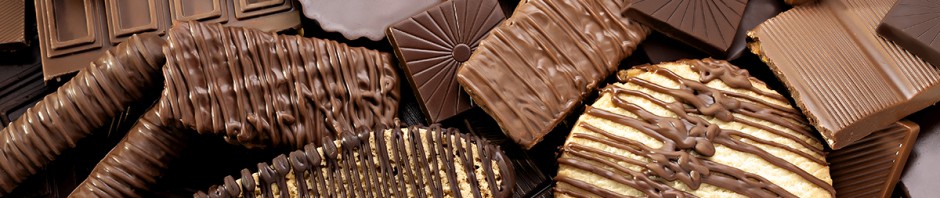
Food products carry their own specific demands. Craft beer needs to look cold and carbonated. Olive oil should appear golden and clear. Candy needs to communicate sweetness and texture. Cheese benefits from context that signals quality and origin. These results don’t come from pointing a camera at a product; they come from understanding how food behaves under light and how to style it for the specific channel where the image will appear.

Non-food products like hotel amenities, challenge coins, pens, and gift baskets each present their own technical and creative considerations. A gift basket photographed from above looks like an inventory photo. Photographed at the right angle with deliberate lighting, it looks like something worth giving.

The common thread across all of these categories: the product itself doesn’t change. The photograph determines how it’s perceived.

The Direct Connection Between Image Quality and Sales Performance

There’s a reason major e-commerce platforms have minimum image quality standards. Platforms like Amazon require images that meet specific resolution, background, and composition guidelines — not as bureaucratic policy, but because the data behind their platforms consistently shows that image quality correlates with conversion rate.

Buyers on any platform — whether it’s a retailer reviewing a wholesale catalog, a consumer on an e-commerce site, or a hospitality buyer evaluating amenity suppliers — make fast judgments. When the image communicates quality clearly, the conversation about price, terms, and volume starts from a stronger position.

Poor imagery, by contrast, creates friction before the conversation even begins. It raises unspoken questions: Is this product actually good? Does this company take itself seriously? Can I trust what I’m ordering?

Professional commercial product photography removes that friction. It answers those questions before they’re asked.

When a Business Should Invest in Professional Photography

Not every product photograph needs to be a professional production. Internal documentation, early-stage prototyping, and informal social content can tolerate lower production standards. But there are specific moments when professional commercial product photography stops being optional.

The clearest signal is when images are being used to make a sale. E-commerce listings, wholesale catalogs, trade show materials, advertising campaigns, press kits, and retail packaging all represent moments where the photograph is doing direct commercial work. At those points, the cost of a weak image isn’t the photography fee — it’s the sales it doesn’t generate.

A second signal is brand positioning. If a product is priced above the commodity tier, its photography needs to reflect that positioning. A premium pen, a specialty food product, or a luxury hotel amenity cannot be credibly positioned at a premium price point while being photographed like a budget alternative.

A third signal is channel expansion. Moving from direct-to-consumer to wholesale, launching on a new e-commerce platform, or entering a retail environment all require images that meet professional standards — both technically and in terms of how they represent the brand.


Choosing a Studio That Understands Your Product

Not all commercial product photography studios work across the same product categories. A studio experienced in food photography understands the specific challenges of styling perishables, managing condensation on a cold beer glass, and making an olive oil label readable without washing out the liquid behind it. A studio experienced in hard goods understands how to handle reflective metal surfaces, how to photograph a coin’s relief detail, and how to make a gift basket look intentional rather than assembled.

Would you trust a commercial photography to photograph your wedding? A newborn photographer to photograph a ship at sea? Photographers have expertise in certain areas. If you have food or products to photograph, go to a photographer that specializes in that.

Working with a studio that has handled products like yours shortens the production process and reduces the gap between what you’re imagining and what appears in the final image.

Photography by Jerry LLC, based in New Jersey and serving the entire state, photographs products across both categories — food items such as candy, beer, cheese, and olive oil, as well as hard goods including watches, jewelry, cosmetics, pens, hotel amenities, challenge coins, scientific equipment and gift baskets…almost any tabletop product. The studio works with brands that need commercial-quality images for e-commerce, wholesale, and marketing use.

A Straightforward Case for Professional Imagery

The argument for professional commercial product photography isn’t complicated. Products sold online or through catalogs are evaluated entirely on how they appear in an image. If that image fails to communicate quality, accuracy, and value, the product is at a disadvantage regardless of its actual merits.

Professional photography addresses that disadvantage directly. It’s not a luxury add-on for large brands. It’s a practical requirement for any business that competes on perceived quality.

If your current product images aren’t performing the way your products deserve, that’s worth examining before the next catalog goes to print, the next e-commerce listing goes live, or the next wholesale pitch lands in a buyer’s inbox.

Posted in Uncategorized | Tagged , , , , , , , , | Leave a comment

Just For Fun

I haven’t been here for a while. Sorry about that. I guess that nothing new has been happening…at least until last month.

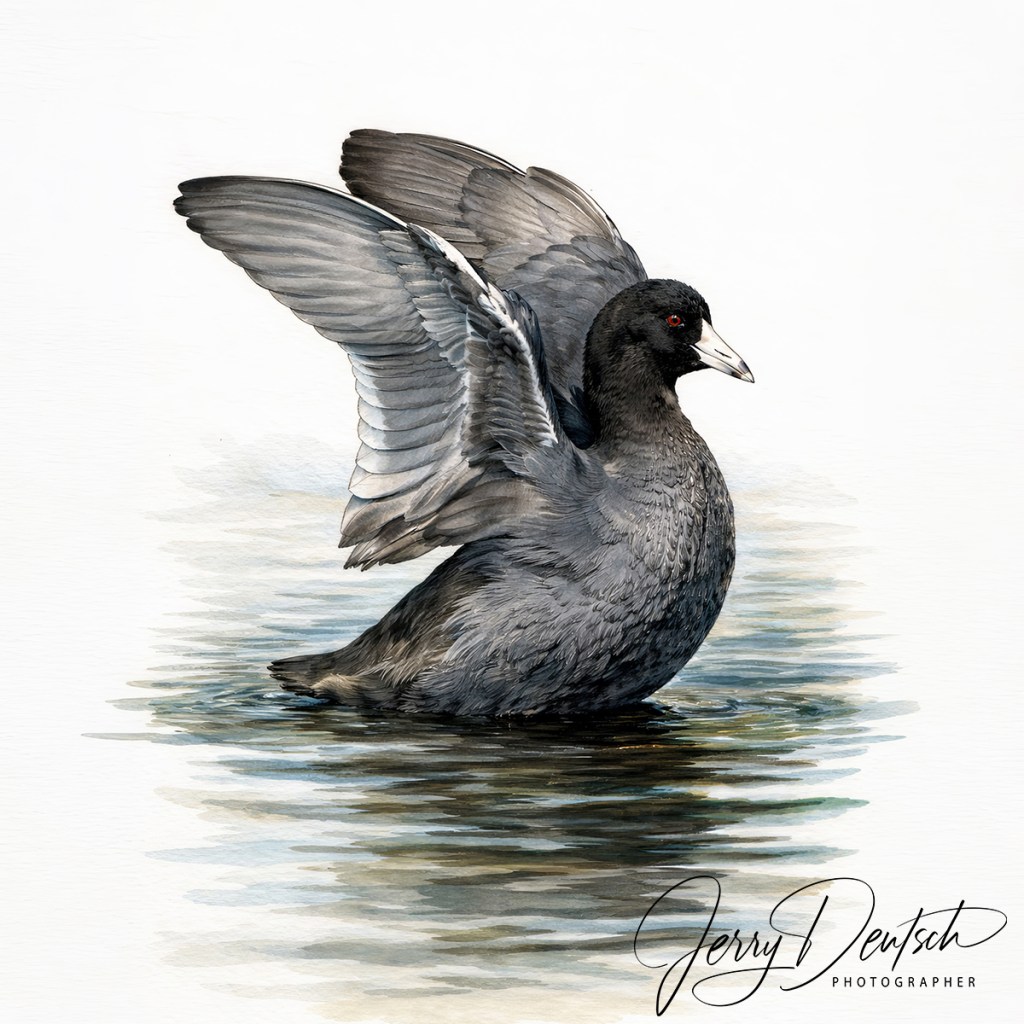
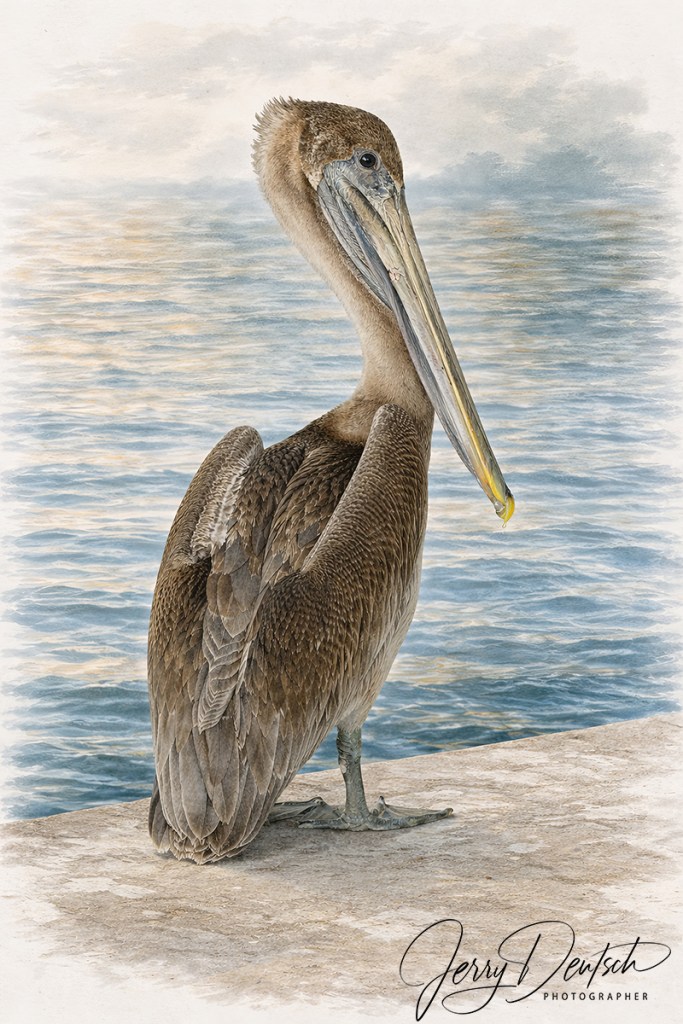
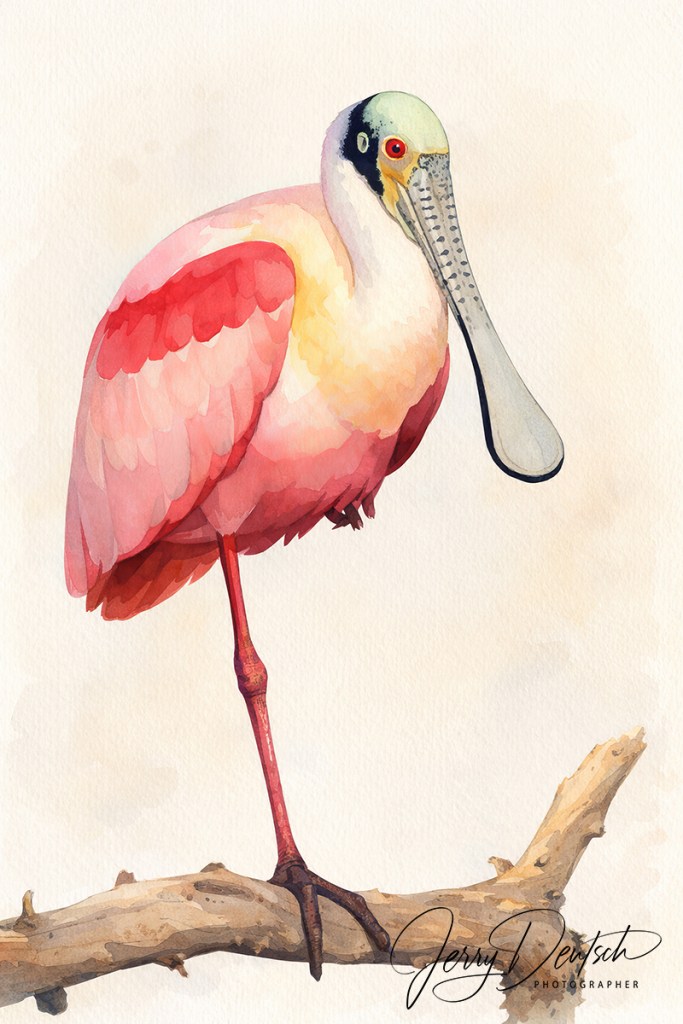
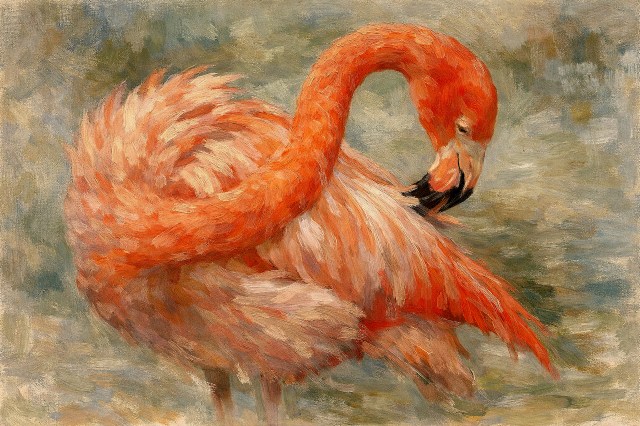
Photography is not only my business, it is also my hobby. I’ve been doing bird photography for several years and now that I visit Florida in the winter, I have many more birds to photograph.

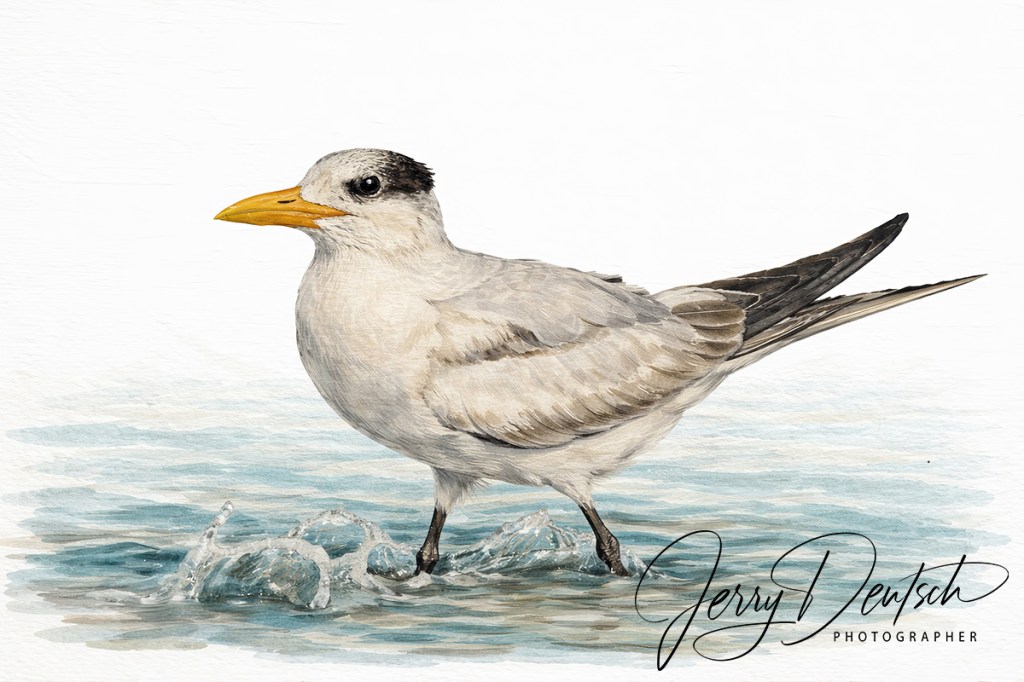
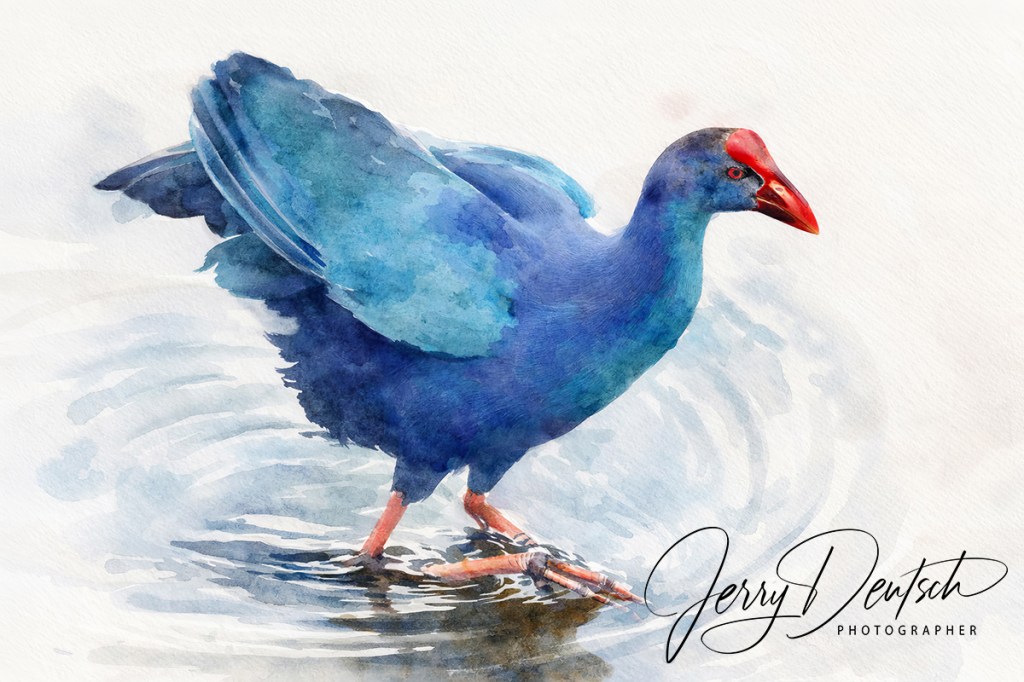
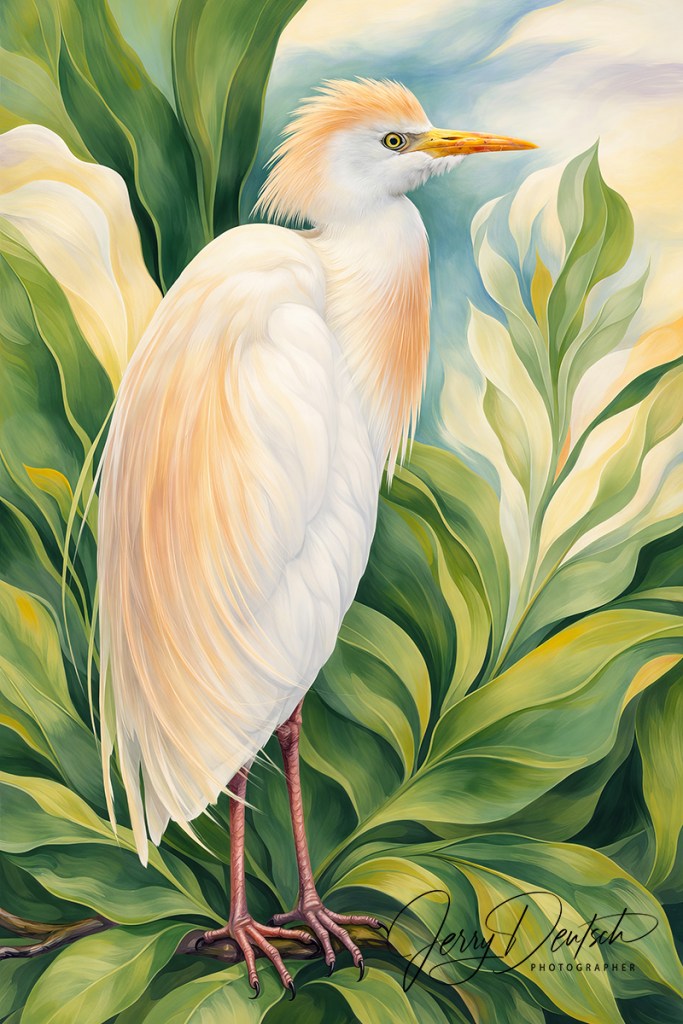
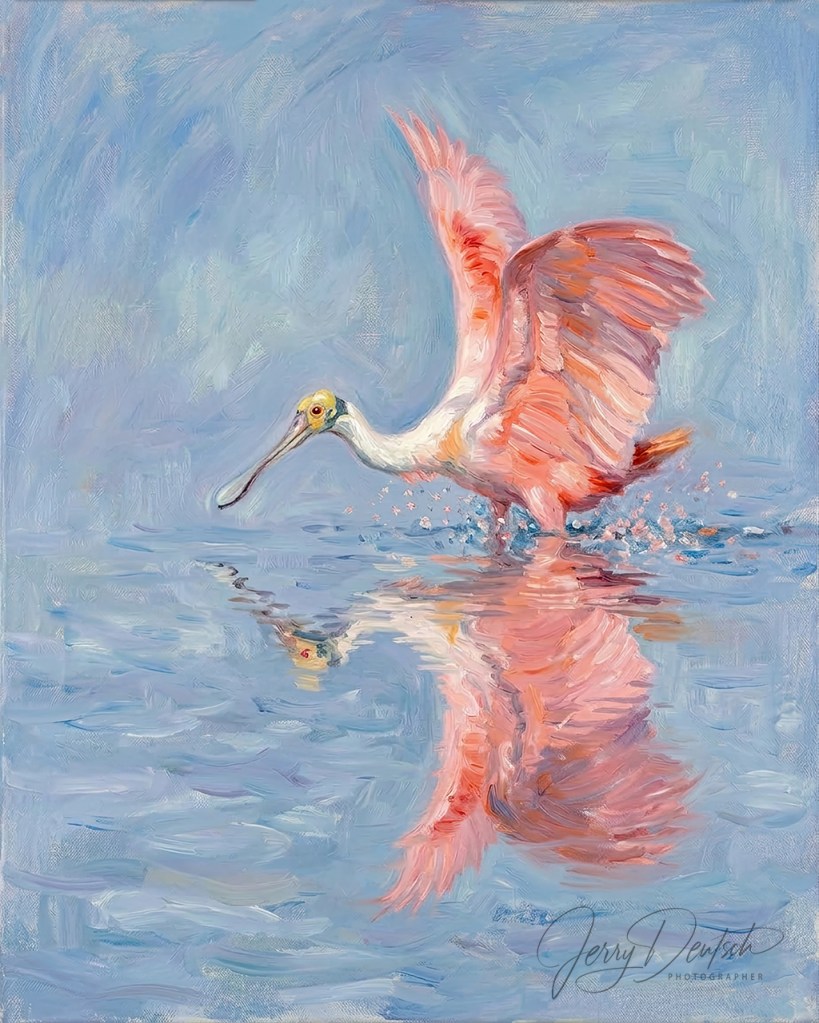
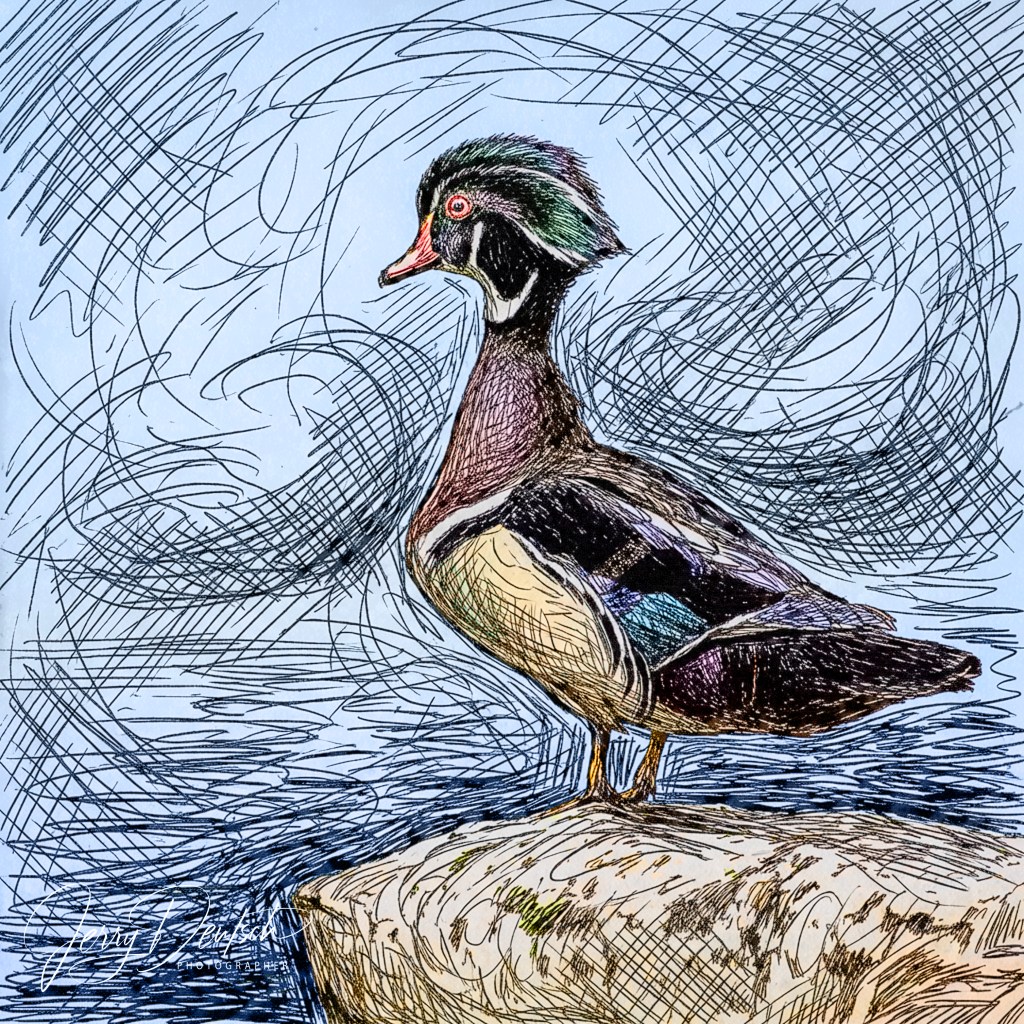
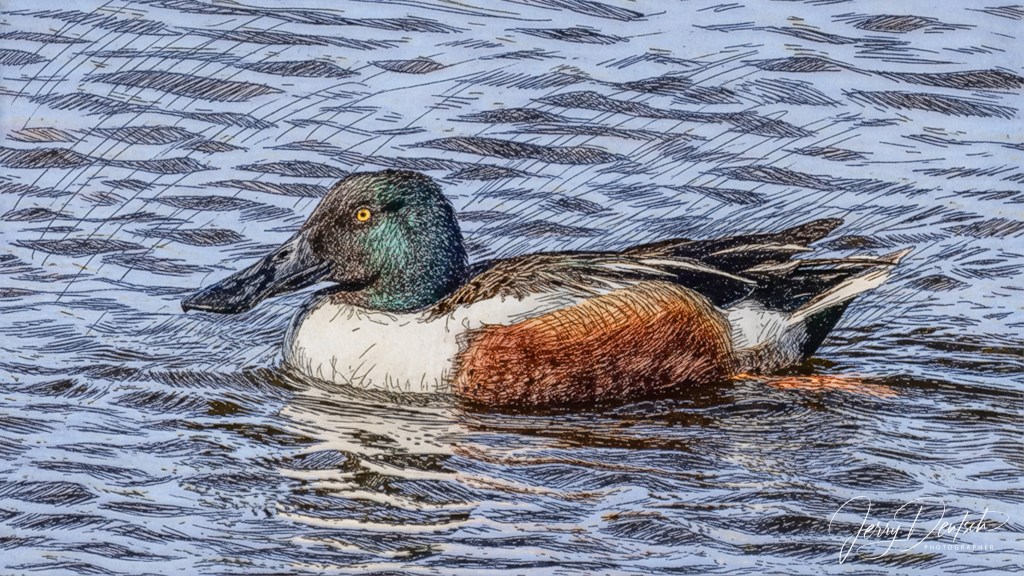
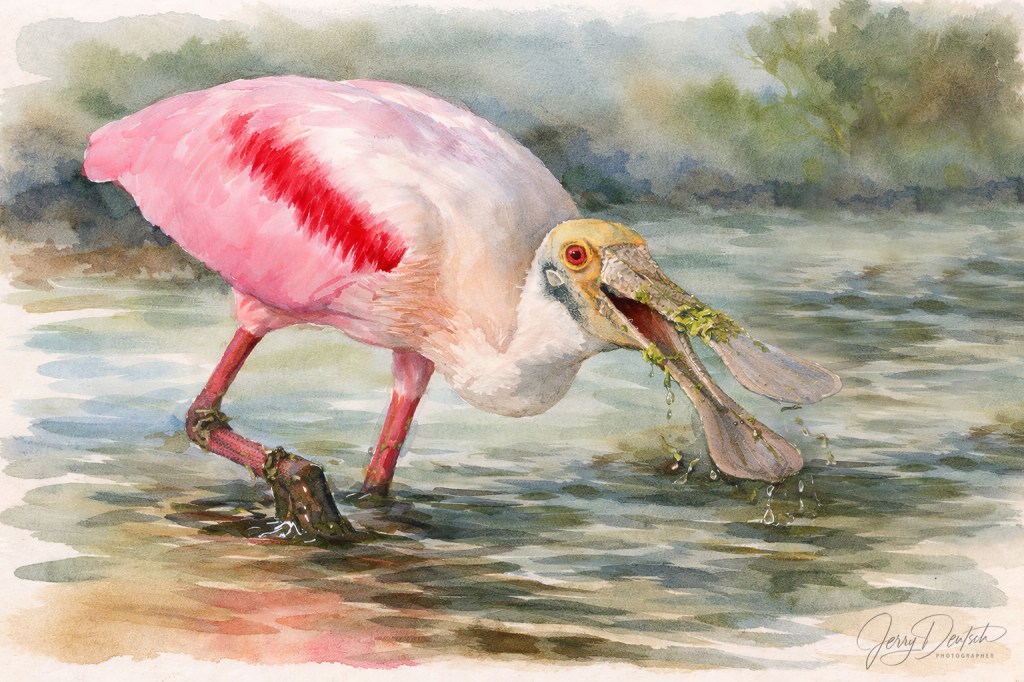
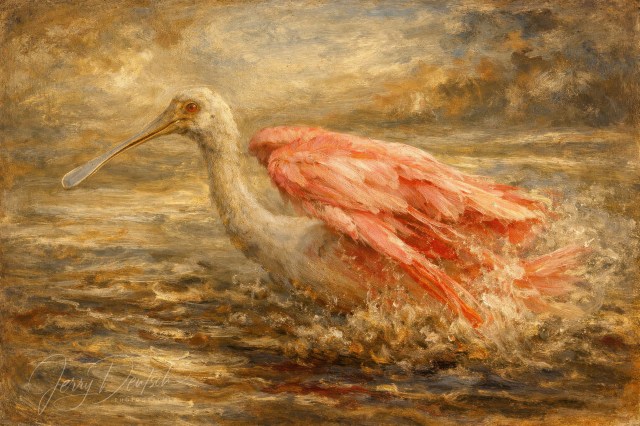
I’ve also been playing with Generative AI and have been using that to modify my images…both my professional images as well as my personal images. For the past month, I’ve been using AI to change my photos of the birds in Florida into works of art based on the styles of famous artists. I’ve been having a blast doing this. Here are a few…

Posted in Uncategorized | Tagged , , , , , , , , | Leave a comment

What and Why Do We Shoot

National Geographic photographer, Jim Richardson, supposedly said, “If you want to be a better photographer, stand in front of more interesting stuff.” 

Ansel Adams supposedly said, “You don’t take a photograph, you make it.”

So, is the goal to find something interesting and document it or is it to work at making interesting images from whatever is in front of you? Or do we do both?

Are you familiar with Edward Westons still life images? He takes ordinary objects and makes them into (in my opinion) beautiful subjects.  Weston said, “Anything that excites me for any reason, I will photograph; not searching for unusual subject matter but making the commonplace unusual.”

Personally, I love still life. It is extremely challenging knowing that every little facet of the image is your responsibility. Tiny little tweaks of the light or turning a fruit or moving a crumb have tremendous effects on the resulting image. But then again, I also enjoy landscape photography, using my best technical skills to capture what is in front of me. And then there’s travel, wildlife (especially birds) and don’t forget flowers. Each with its own set of skills and appreciation. The photography that I find most difficult, and frustrating is street photography and capturing that definitive moment.

So, think for a moment. What do you like to photograph and WHY? Do you search out interesting places? Are you chasing light? Are you looking for the definitive moment? What gets you excited about your work. Do you say to yourself, “I wish that I…” Thinking is probably the most important tool in photography.

“It is an illusion that photos are made with the camera… they are made with the eye, heart and head.” – Henri Cartier-Bresson

Posted in Uncategorized | Leave a comment

Latest Food Photo Book

Click on the “View Larger ” button to go to the photo book.

Posted in Food Photography | Tagged , , , , , , , , , , , , , , , , , , , , , | Leave a comment

Time Flies

As Groucho Marx once said, “Time flies like an arrow. Fruit flies like a banana.” I think both statements are true. It is now the Autumnal Equinox and summer is over. Before you know it, it will be Halloween, Thanksgiving, Chanukah and Christmas. Is your business ready for the holidays? It’s time to do photography for those holidays now. So, happy Autumnal Equinox to everyone.

Speaking of holidays, I want to wish everyone a sweet and happy new year if you celebrate Rosh Hashanah and of course an easy fast on Yom Kippur.

Rotten Luck- averted

In my last message, I told you about the failure of my computer. Well, I have my new Mac Studio and it is running nicely and all my files have been restored (I hope.) The only loss I suffered was of the backup. I had to erase the backup drive after my restore and start over again. That being said, it was only old files that I might have erased that are gone and I don’t think that I’ve erased any accidentally. So, all is good as far as that is concerned.

Posted in Uncategorized | Leave a comment

When It Rains…It Pours

Happy Labor Day

As a kid, I used to look forward to Labor Day and watching the Jerry Lewis Telethon. I never really associated Labor Day and the heartbreak of the summer vacation being over. As an adult however, being a teacher for over 31 years, Labor Day has always been a time of stress and going back to work with a new set of students…very stressful. But now, as a working photographer, Labor Day is a time to appreciate my clients and say thank you for allowing me to provide you with the photographs that your business needs. I am very gratful for my loyal clients.

Rotten Luck

When it rains, it pours. My computer died a couple of weeks ago and I had to bring it in for service. They thought that the drives had to be erased and and the operating system re-installed. This took about 4 days. Luckily I have my laptop and my wife’s computer and the one in the studio. I had a small job to do and tried all 3 of these machines and was most comfortable on my wife’s computer. This meant throwing her off the machine for a day but she used the iPad so all was good (eventually.)

So I got my computer back (very happy that they didn’t charge me anything) and got to work on restoring my backup. About 4 hours into the restore (almost half done) the computer screen goes completely black. I could not get the machine to boot up again. So, I take everything apart again and bring it back for repair. This time, they have trouble getting the machine to boot so, it’s another week of diagnosis and repair. This time, they had to replace parts so, it was not free. I was shocked that they were able to get it working again. Because I had no confidence in getting my machine back, I ordered a new machine which will not be arriving for about a month. I couldn’t be without a computer for that long so, I paid for the repair of my old machine. (I didn’t realize that my “top of the line” computer was actually almost 7 years old and technology has passed us by.)

Now, I have to try the restore of the backup again onto the repaired machine, but this time I see that my external data drive with all of my client’s photos is dead. Fortunately, the backup is good. My client data is 7.5 Terabytes on a 5 disk RAID array. After emailing back and forth with tech support we determine that the array is really dead. So, I think I’ll keep my 5 data drives and put them into a new array enclosure, but lo and behold, they are no longer manufactured. So, where do I turn? EBAY. I found one drive for sale at auction (with several bidders.) Now my luck is improving…I win the auction (although a little more expensive than I was hoping.) Meanwhile, my computer’s internal drive is restored and so far, everything seems to be working.

So, the replacement used RAID array finally came and it took about an hour to get it up and running, another hour to get it working with the computer and it is going to be a few days to restore the 7.5 Terabytes of client data to it.  And when this is all done, and everything working again, my new computer will be arriving and I’ll have to start all over again. So, if you have been wondering what I’ve been doing for the past 2 weeks, there it is.

Posted in Food Photography | Tagged , , , , , , , , , , , , , | Leave a comment

Flip Book

I found a website that creates an online flip book from a PDF file so I uploaded my blurb book for you to enjoy.

https://online.fliphtml5.com/ludua/hmyd/

Posted in Uncategorized | Tagged , , , , , , , | Leave a comment

Wow!

That’s what I said when I went out to the driveway to help my client bring in their products.
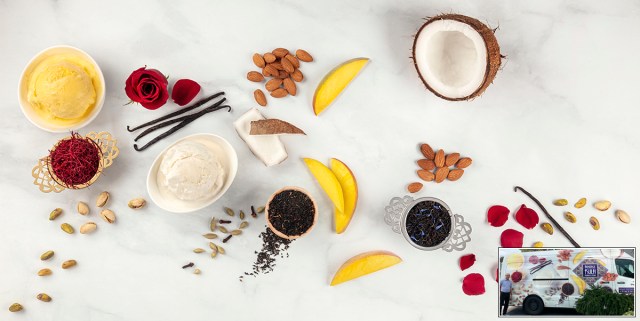
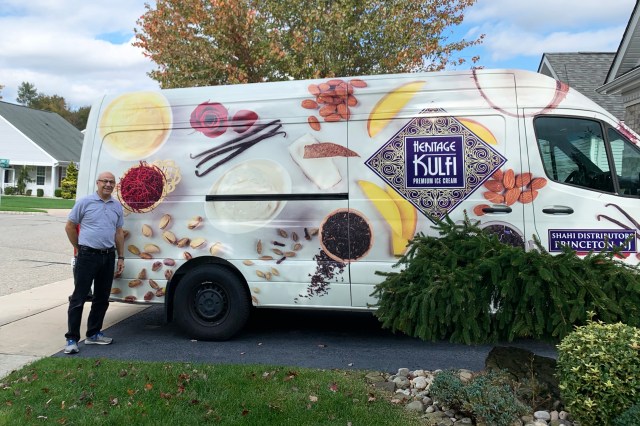
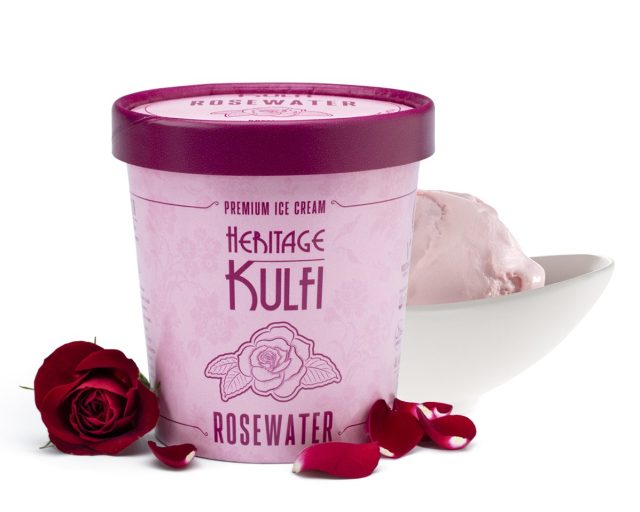
You see, the shoot before the one we were doing was to create an image for a van wrap, I had an overlay of the van and worked in Lightroom to position the flavor cues of this awesome premium ice cream. It was hard to imagine what the final van would look like with a 20 Ft. (6.1m) image wrapped around it.

Thanks to the help of Chef Kersti of Butterfly Gourmet Media. my food stylist, and some Photoshop magic, we pulled it off. All I could say was, “Wow.”

Posted in Uncategorized | Tagged , , , , | Leave a comment

Spring Brings Rebirth

Spring is a time of rebirth. The plants are blossoming and the animals are mating. Life seems to be getting back to normal.

Life is returning to normal for me as well. Now that I’ve been vaccinated I am willing to work with clients in person that have also been fully vaccinated. Fully vaccinated means two weeks after the last dose (dose 2 for Pfizer and Moderna and dose 1 for J&J.)

So, let’s drink a toast to Spring and the beginning of the return to normalcy.

Posted in Uncategorized | Leave a comment

Google Sites

Did you know that you can create a website on Google for free? Just visite sites.google.com to get started. Here is a link to what I created there…please let me know what you think in the comments. https://sites.google.com/view/photographybyjerryllc/home

Posted in Uncategorized | Leave a comment